
Why Fleet Utilisation Reporting Is Critical to Profitability
Fleet utilisation reporting is one of the most powerful tools available to businesses that operate vehicles, machinery, or mobile assets. Simply put, it provides clear visibility into how often vehicles are being used, how much work they are performing, and whether the fleet is appropriately sized for business demand.
Without utilisation reporting, many organisations unknowingly operate underutilised vehicles that continue to generate fixed costs regardless of how little they are used. By identifying low-use assets, businesses can often reduce fleet size while maintaining the same workload. Fewer vehicles mean lower capital expenditure, reduced lease repayments, lower registration costs, less maintenance, and decreased depreciation.
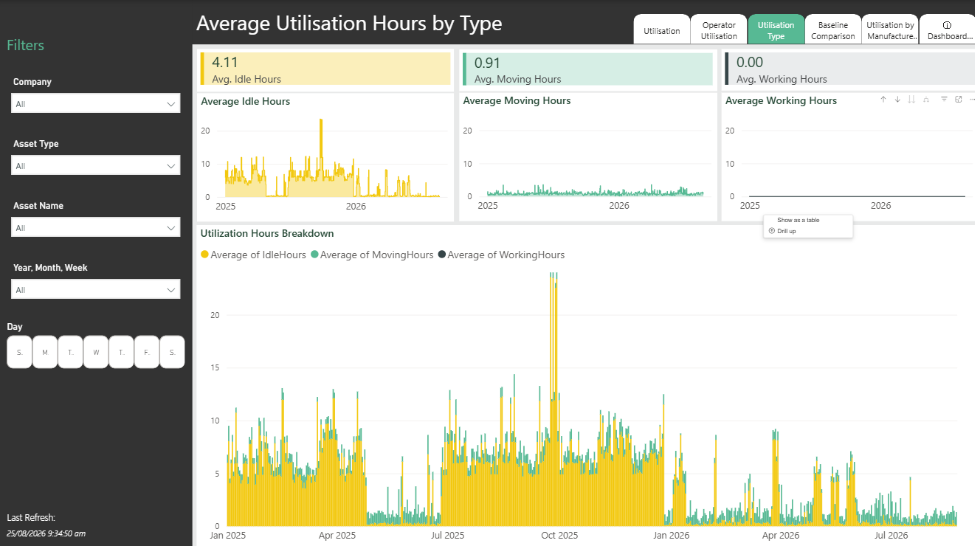
Improved utilisation also helps reduce fuel consumption. When fleet managers understand which vehicles are being used inefficiently, they can optimise scheduling, eliminate unnecessary trips, reduce idle time, and allocate work more effectively. The result is lower fuel burn and a reduced operating cost per kilometre.
Insurance costs can also be reduced. A smaller fleet generally means fewer insured assets, lower total premiums, and less administration. Similarly, leasing and maintenance costs fall when excess vehicles are removed from the fleet.
Perhaps most importantly, utilisation reporting enables data-driven decision making. Rather than relying on assumptions, managers can optimise fleet performance using real operational data. The result is a leaner, more productive fleet that delivers the same level of service at a significantly lower cost, improving profitability and return on investment across the business.
%20(500%20x%20100%20px)%20(4).png)