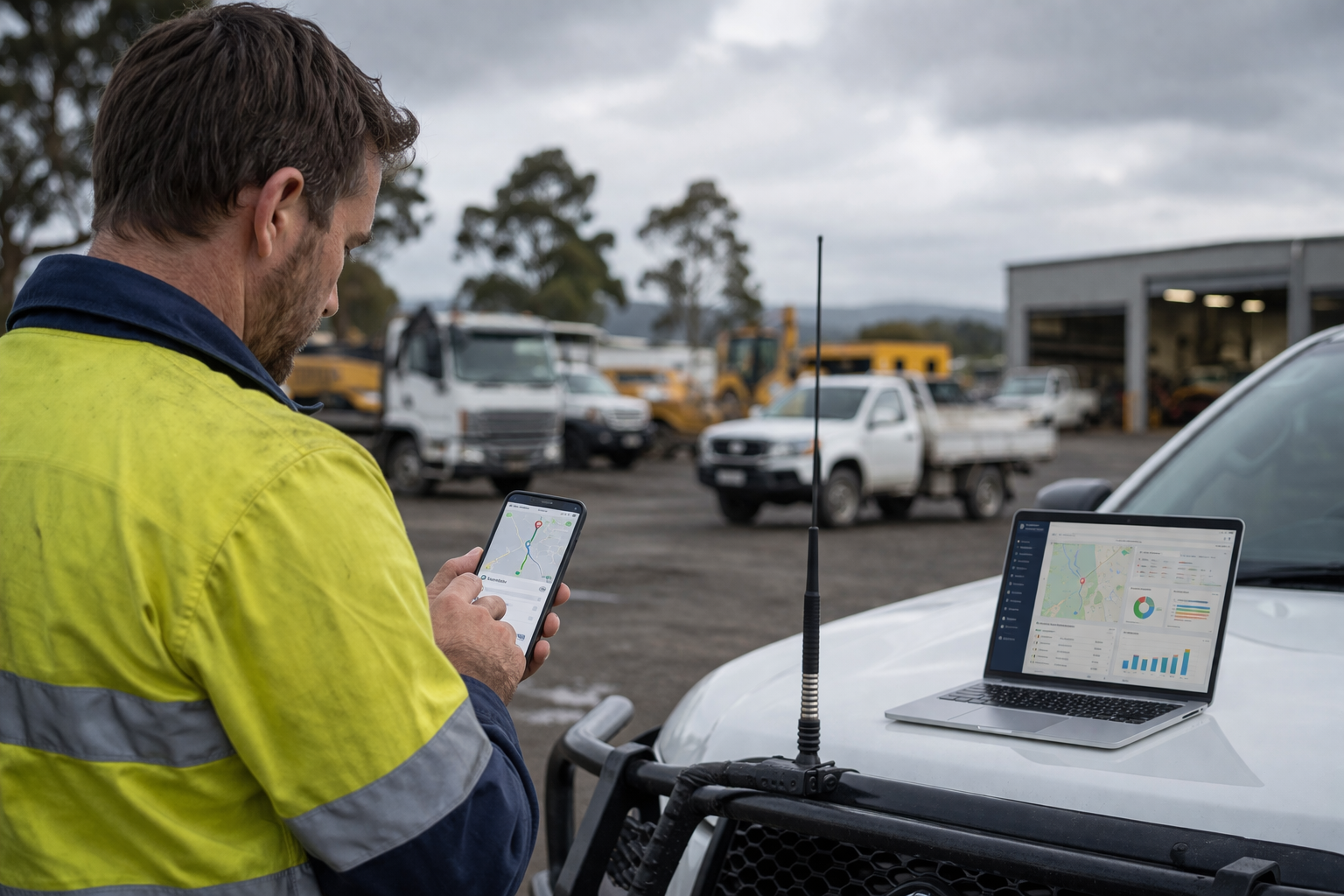
Practical guides to reduce costs and run a more efficient fleet.
Identify low-use assets and optimise fleet performance with real operational data. Fleet utilisation reporting cuts capital costs, fuel burn, and insurance premiums while improving profitability.
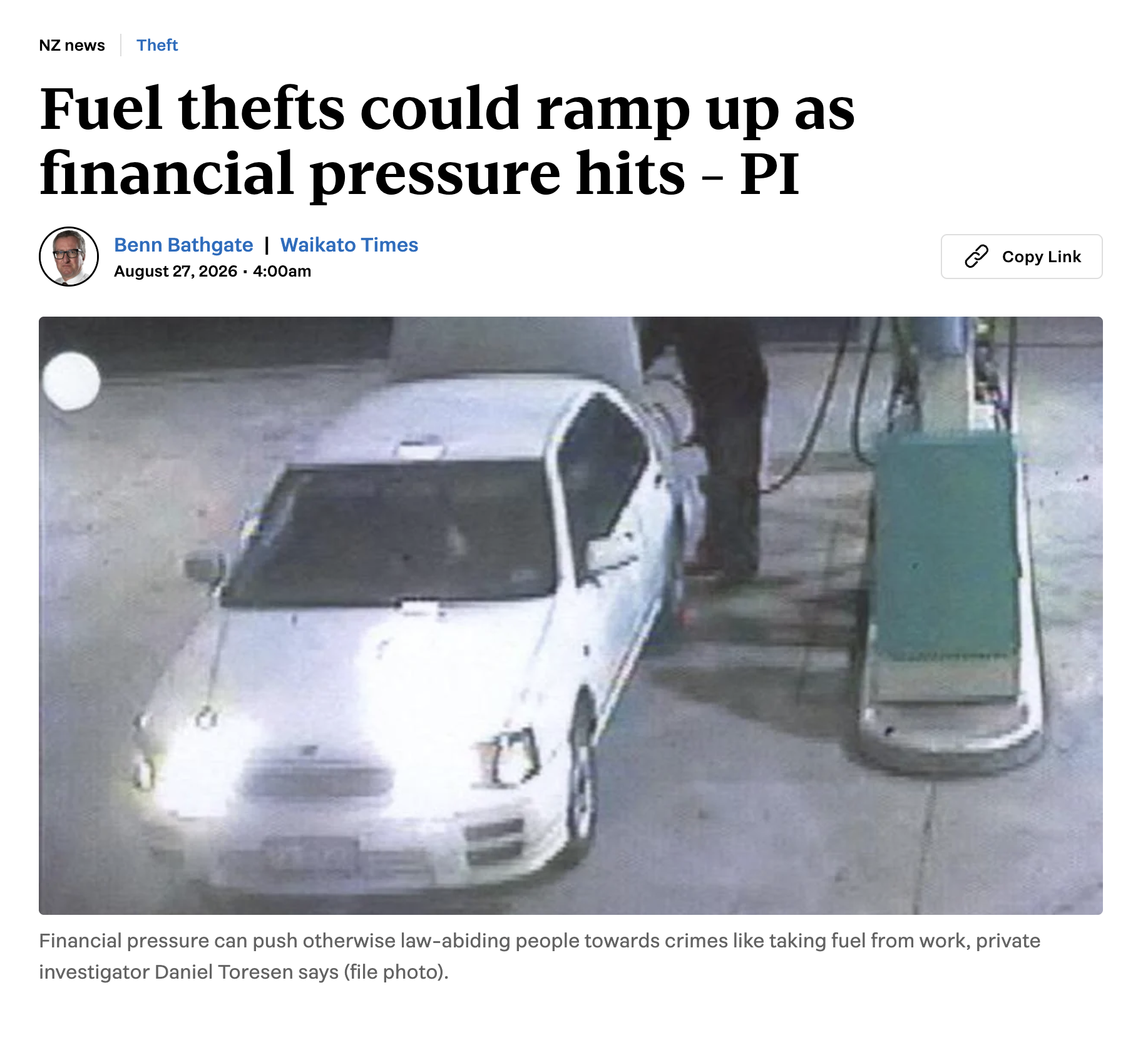
As fuel prices climb, private investigators warn theft is becoming more tempting and Symtech's data shows businesses are increasingly being hit by fuel-card abuse that can go unnoticed for months.
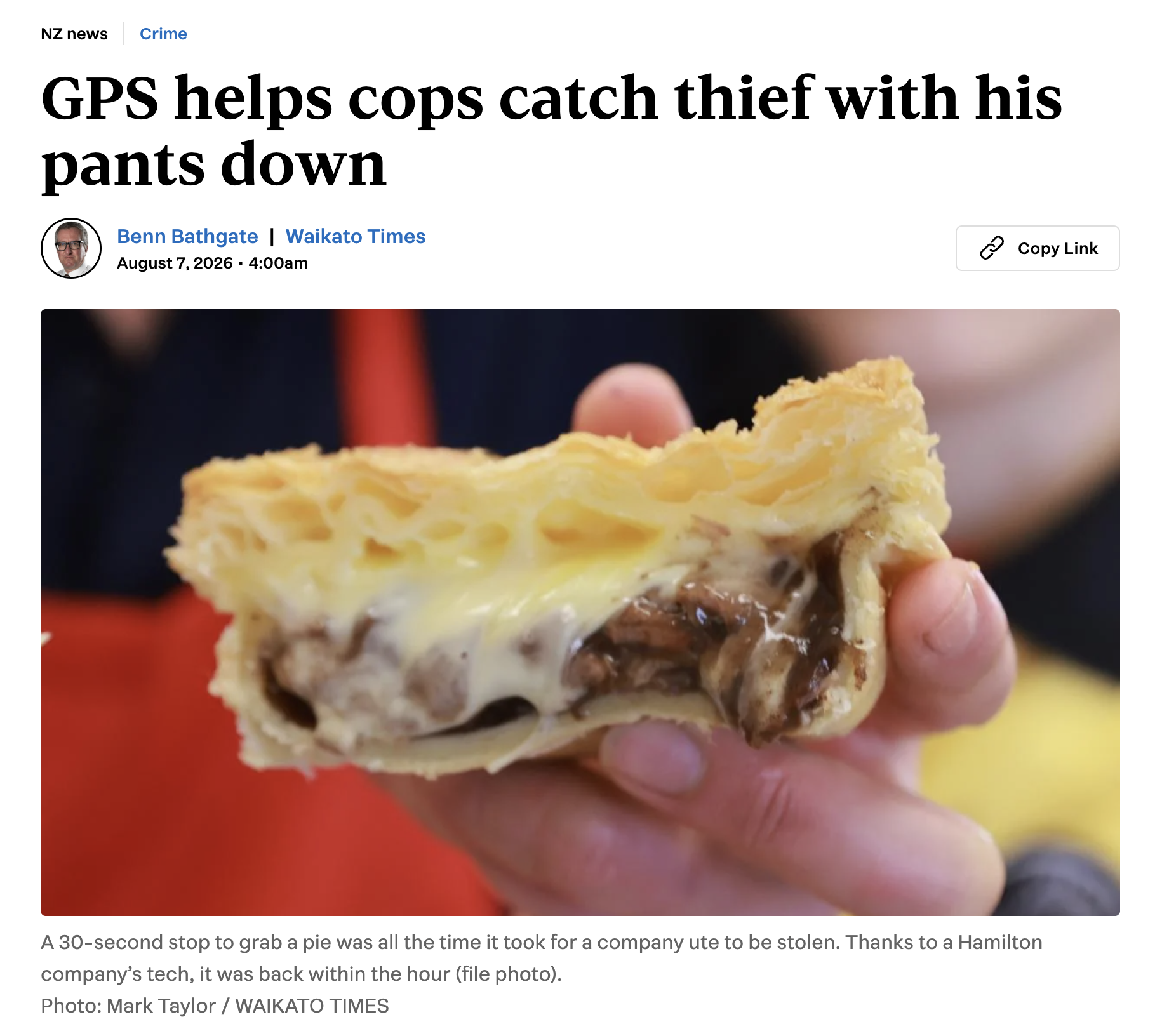
A company ute was taken while its driver popped in for a pie and GPS tracking helped police recover it within the hour. The Waikato Times spoke to Aaron about the case.
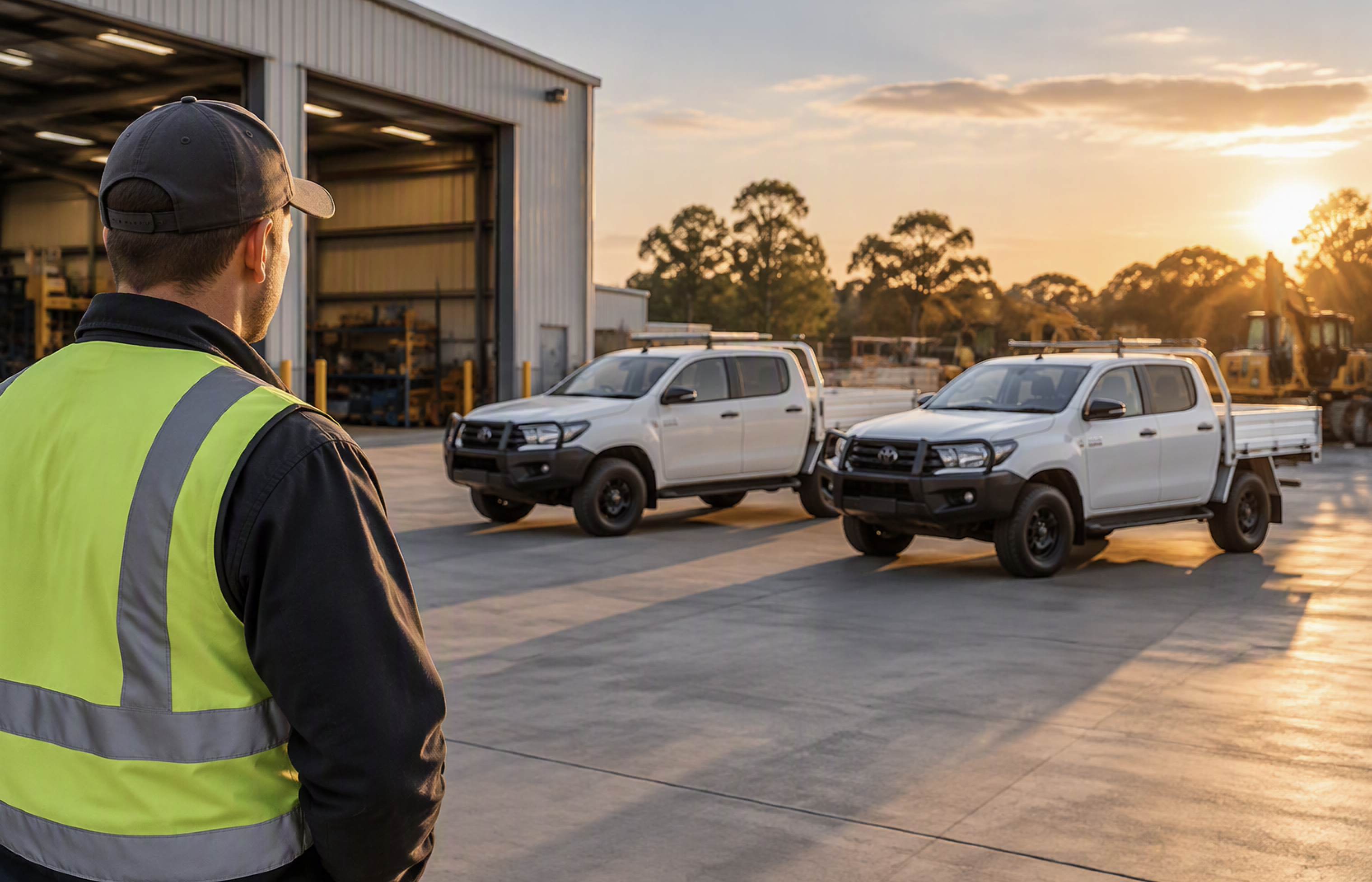
Under New Zealand's Health and Safety at Work Act, engaging subcontractor vehicles doesn't remove your liability. Symtech's Sharing Capability gives organisations visibility into contractor vehicle an
Why Symtech's modular platform fits logistics, field service, distribution, mining, and construction — flexible enough to scale as you grow.
Fleet tracking and telematics get used to mean the same thing, but they're not. Here's what each one actually does, the key differences between them, and how to tell which your fleet needs.
Manual scheduling slows fleets down. Intelligent job scheduling improves visibility, reduces downtime, and boosts productivity - helping fleets operate faster, smarter, and more reliably.
Driver safety isn’t optional - it reduces risk, cuts costs, and improves retention. Combine technology with a people-first approach to build safer, more efficient fleet operations.
Choosing the right fleet partner impacts efficiency, compliance, and cost control. Focus on industry fit, support, integration, and actionable data—not just price—to drive long-term performance.
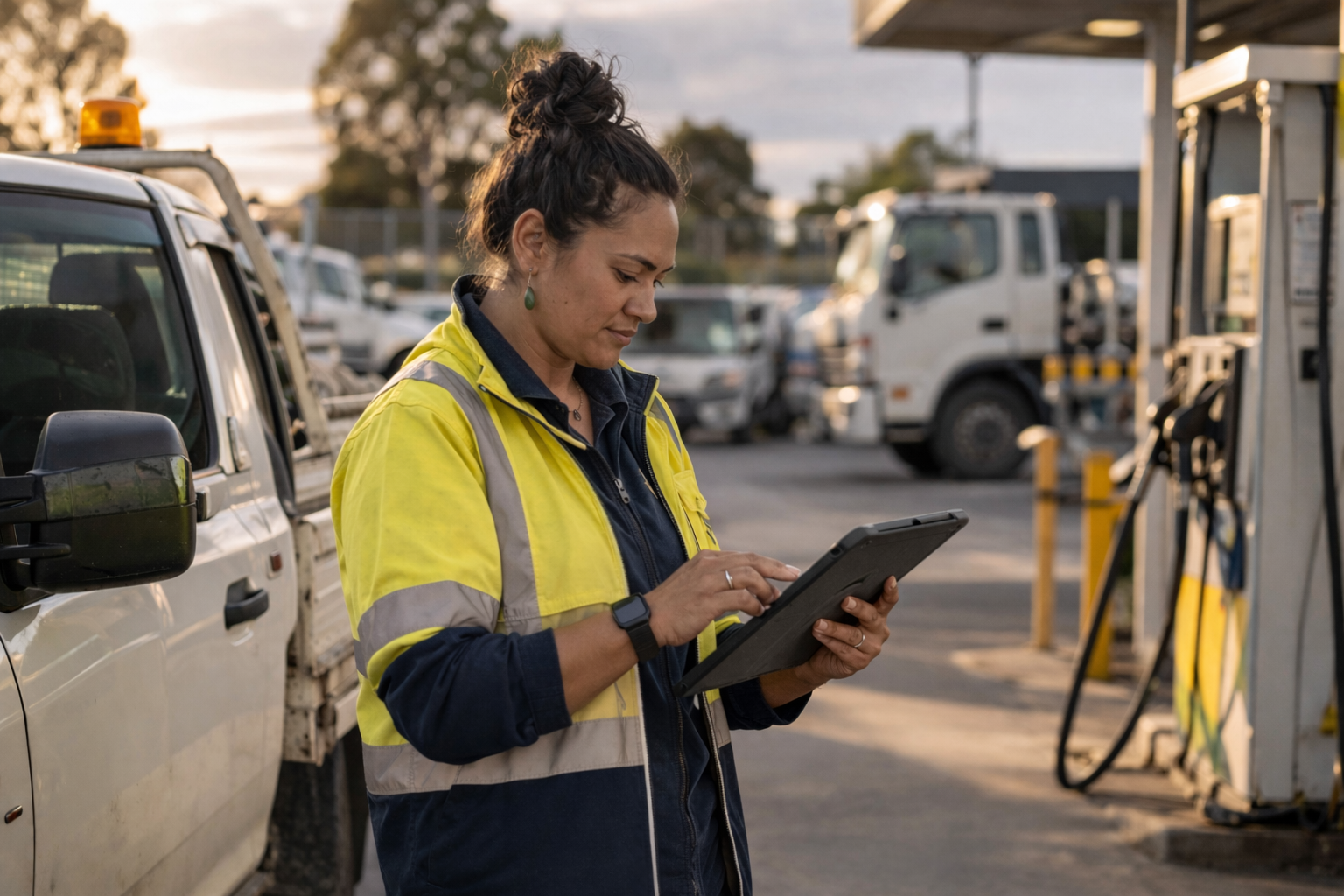
Fuel is draining 20–30% of fleet costs. Cut idle time and use M5 data to reduce waste, improve utilisation, and drive 10–25% fuel savings—without sacrificing productivity.
Fleet management without the desk. Guardian and M5 deliver real-time visibility, digital prestarts, and seamless servicing—giving teams control, compliance, and faster decisions anywhere.
Guardian has launched in Australia, helping fleets modernise pre-start inspections, improve WHS compliance, reduce risk, and keep vehicles safe, efficient, and on the road.
Fuel waste isn’t random. It’s driven by behaviour, maintenance, and lack of visibility. Discover how telematics and smarter fleet management can reduce fuel spend by up to 15% and deliver rapid ROI.